TL;DR:
- The 2026 SBA rule restricts loans to U.S. citizens, affecting many immigrant-owned California businesses.
- Alternatives like CDFIs, state programs, and online lenders are expanding to fill the funding gap.
- Understanding qualification criteria and comparing costs helps businesses choose the best fitting funding options.
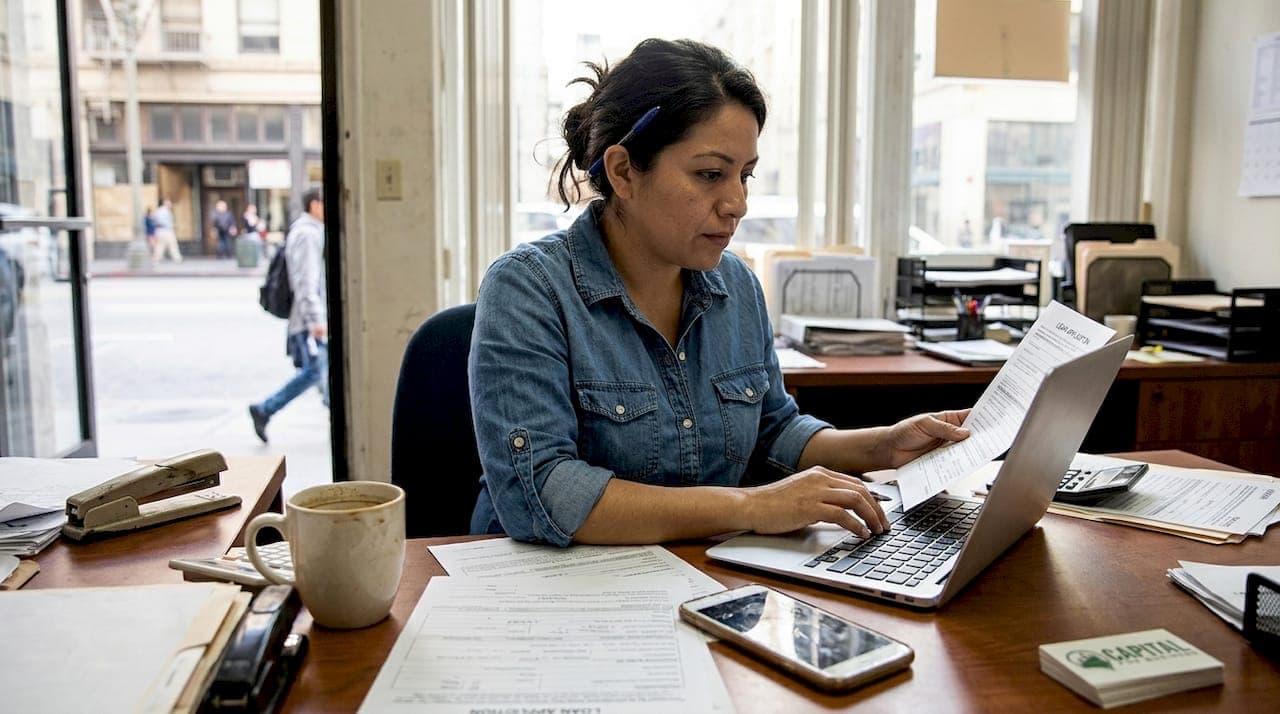
California's small business owners have always faced a competitive funding landscape, but a March 2026 SBA rule change made things significantly more complicated overnight. The new policy limits SBA 7(a) loans to U.S. citizens and nationals only, cutting off green-card holders and many recent immigrants from federal financing. This hits California especially hard, where immigrant-owned businesses are a cornerstone of the economy. If you're now searching for alternatives, you're not alone, and the good news is that practical options exist. This guide walks you through what changed, what alternatives are available, how to qualify, and how to choose the right loan for your business today.
Table of Contents
- Understanding the 2026 SBA rule change and its impact on California businesses
- Alternatives to SBA loans: Exploring California-specific financing options
- Eligibility, requirements, and how to qualify for California business loans
- Choosing the right loan: Comparing costs, terms, and risks for California businesses
- Perspective: Why California's new lending landscape can work to your advantage
- Explore fast, flexible business funding solutions
- Frequently asked questions
Key Takeaways
| Point | Details |
|---|---|
| SBA loans now citizen-only | Green-card holders and recent immigrants can no longer access federal SBA loans in California. |
| Alternatives fill the gap | State programs, CDFIs, and online lenders have stepped up to provide business funding options. |
| Qualifying requires preparation | Being organized with documents and understanding unique lender criteria increases approval chances. |
| Compare true costs | Always weigh rates, fees, speed, and support services before choosing your business loan. |
Understanding the 2026 SBA rule change and its impact on California businesses
With that backdrop, let's break down exactly what the new 2026 SBA rule means and why it shakes up funding for thousands of business owners.
For years, the SBA 7(a) loan program served as the go-to federal financing tool for small businesses across the country. It offered competitive interest rates, long repayment terms, and loan amounts that could reach $5 million. Green-card holders and permanent residents were eligible right alongside U.S. citizens. That changed in March 2026.
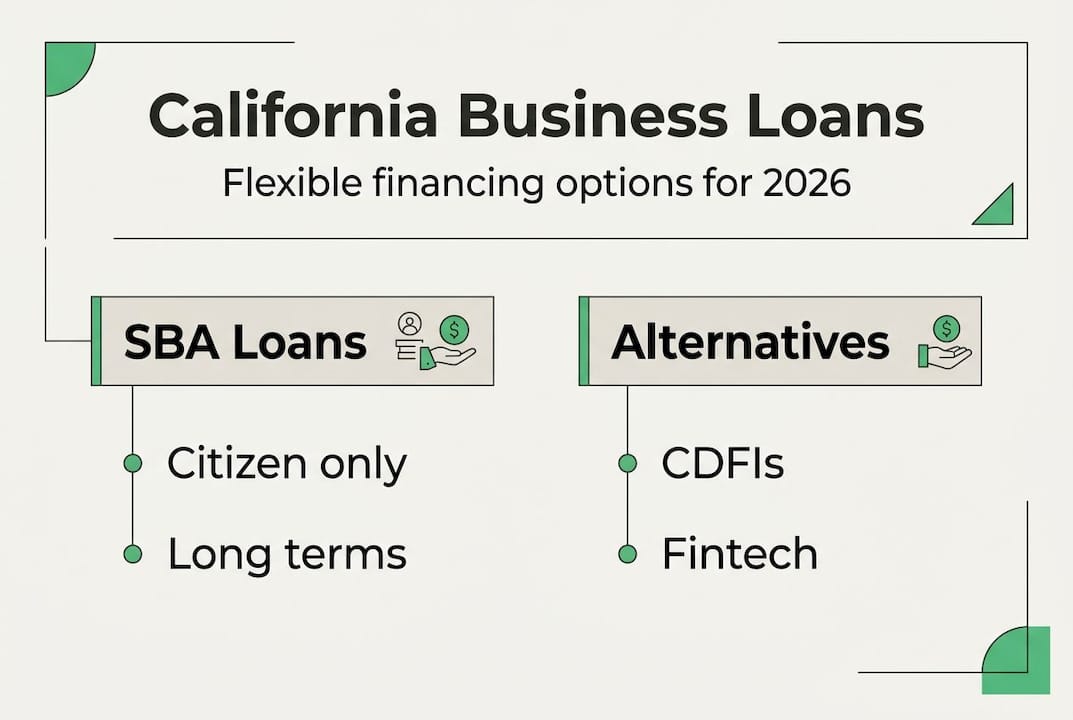
The updated policy now limits SBA 7(a) eligibility to U.S. citizens and nationals only. Lawful permanent residents, meaning green-card holders, are no longer eligible. This is not a minor adjustment. It directly affects a significant portion of California's small business community, which includes hundreds of thousands of immigrant-owned businesses.
Why California feels this more than other states
California has the largest immigrant population in the country. Immigrant entrepreneurs operate restaurants, retail shops, construction firms, healthcare practices, and technology startups across the state. These businesses collectively generate enormous economic activity and employment.
"Small businesses are responsible for 99% of net new jobs created in California, and a large share of those are owned by immigrants and first-generation Americans."
The scale of the change becomes clear when you look at the numbers. The SBA previously approved over 3,300 loans to non-citizens in a single year. Those borrowers now need to find funding elsewhere.
Immediate effects on California business owners
The practical fallout has been swift. Business owners who were mid-application when the rule changed received denials. Others who were planning to apply for expansion capital suddenly found themselves without their primary option. Loan brokers and CDFI counselors in California report a surge in inquiries from business owners who are confused, frustrated, and urgently looking for alternatives.
You can stay current on SBA loan updates as the policy continues to evolve, and it's worth understanding the full picture of unlocking SBA funds before ruling them out entirely if you are a U.S. citizen or national.
For those who no longer qualify, the focus now shifts to understanding what alternatives actually work, and which ones are worth your time.
- Green-card holders are no longer eligible for SBA 7(a) loans as of March 2026
- The rule affects thousands of California businesses that previously relied on SBA financing
- Loan denials and application withdrawals have increased sharply since the policy took effect
- Alternative lenders, CDFIs, and state programs are absorbing much of the displaced demand
Alternatives to SBA loans: Exploring California-specific financing options
Understanding the impact is only the first step. Here's where California businesses are actually turning for funding today.
The good news is that California has one of the most developed alternative lending ecosystems in the country. Community Development Financial Institutions, known as CDFIs, have been operating in the state for decades. State-backed programs, fintech lenders, and nonprofit organizations have all stepped up to fill the gap.
CDFIs and community lenders
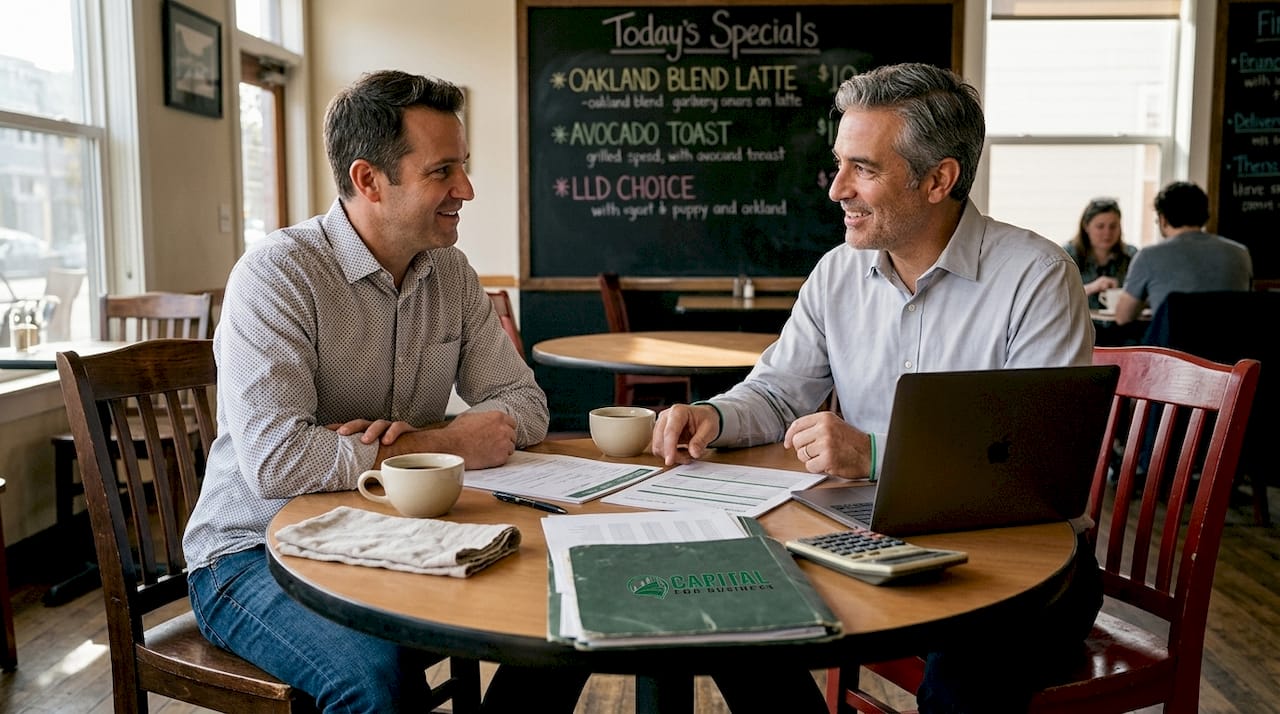
CDFIs are mission-driven financial institutions that serve businesses and individuals who lack access to traditional credit. In California, organizations like Accion Opportunity Fund and Working Solutions specifically target underserved entrepreneurs, including immigrants and minority-owned businesses. They often offer technical assistance alongside financing, which means you get support with your business plan and financials, not just a loan.
A practical example: an immigrant-owned bakery in the East Bay that was denied an SBA loan after the March 2026 rule change was able to secure $75,000 through Accion. The process took about three weeks and included one-on-one coaching to strengthen the loan application.
State programs and loan guarantees
California's IBank operates the Small Business Loan Guarantee Program, which helps businesses that don't qualify for conventional loans by guaranteeing a portion of the loan through a participating lender. This reduces the lender's risk and increases your chances of approval. The program is open to businesses regardless of citizenship status in many cases.
Online and fintech lenders
For speed, online lenders are hard to beat. Platforms like OnDeck offer loans ranging from $5,000 to $400,000 with fast approvals, sometimes within 24 hours. The trade-off is cost. Interest rates are significantly higher than what you'd find with a CDFI or state program.
Pro Tip: Look for CDFIs that offer free technical assistance with your loan application. Organizations like Working Solutions and Accion provide coaching that can meaningfully improve your approval odds, especially if your financials are not yet polished.
| Loan type | Eligibility | Approval speed | Typical rate | Loan range |
|---|---|---|---|---|
| SBA 7(a) | U.S. citizens/nationals only | Weeks to months | 6% to 9% | Up to $5M |
| CDFI loan | Open, including non-citizens | 1 to 4 weeks | 8% to 15% | $5K to $250K |
| Online lender | Open, varies by platform | 1 to 3 days | 20% to 50%+ | $5K to $400K |
| State IBank program | Open, varies by program | 2 to 6 weeks | 7% to 12% | Up to $1M |
Explore California loan options to see which programs align with your business profile and funding needs.
Eligibility, requirements, and how to qualify for California business loans
Having seen the alternatives, the next challenge is qualifying. Let's break down what lenders want to see from California business owners.
Every loan type has its own set of requirements, but there are common threads. Lenders want to see that your business generates revenue, that you have some credit history, and that you can demonstrate a clear purpose for the funds.
Documents most lenders require
- Business and personal tax returns for the past two years
- Recent bank statements, typically three to six months
- A current profit and loss statement
- Business licenses and registration documents
- A brief description of how you plan to use the funds
- Government-issued ID and proof of business address
Some lenders, particularly CDFIs, may also ask for a basic business plan or a cash flow projection. This is actually an opportunity, not a burden. A well-prepared plan signals that you understand your business and can manage debt responsibly.
Minimum thresholds by loan type
| Loan type | Min. credit score | Min. time in business | Min. annual revenue |
|---|---|---|---|
| SBA 7(a) | 650+ | 2 years | $100K+ |
| CDFI loan | 550 to 600 | 6 months to 1 year | $50K+ |
| Online lender | 500 to 580 | 6 months | $100K+ |
| State IBank program | Varies | 1 year | Varies |
The SBA previously approved over 3,358 loans to non-citizens annually, which means there is now a large pool of qualified borrowers seeking CDFI and state alternatives. Apply early and prepare thoroughly.
Pro Tip: If your credit score is below 600 or your business is under a year old, start with a CDFI. They are specifically designed to work with borrowers who don't fit the conventional mold, and many offer credit-building programs alongside financing.
If you're working around a credit challenge, review bad credit loan options that may still be within reach. You can also learn more about bridging finance gaps when a traditional loan won't cover your full need, and review key loan considerations before you commit to any agreement.
Choosing the right loan: Comparing costs, terms, and risks for California businesses
You now know what it takes to qualify, but how do you compare the true cost and best fit between options?
The interest rate is only one part of the total cost of a loan. Origination fees, prepayment penalties, and factor rates on merchant cash advances can all add up quickly. Before signing anything, you need to calculate the full cost of borrowing.
A simple cost comparison
Suppose you need $50,000 for inventory. An online lender approves you in 48 hours at a 35% annual rate over 18 months. Your total repayment would be approximately $72,000. A CDFI offers the same amount at 12% over 36 months, with a total repayment of around $57,000. The CDFI loan costs $15,000 less, but takes three weeks to fund. If your inventory need is urgent, the premium may be worth it. If you have time, the CDFI is the smarter choice.
| Loan type | Typical APR | Repayment term | Funding speed | Best suited for |
|---|---|---|---|---|
| SBA 7(a) | 6% to 9% | 7 to 25 years | Weeks to months | Long-term growth, real estate |
| CDFI loan | 8% to 15% | 1 to 5 years | 1 to 4 weeks | Underserved borrowers, working capital |
| Online lender | 20% to 50%+ | 3 to 24 months | 1 to 3 days | Urgent cash flow needs |
| State IBank program | 7% to 12% | 1 to 7 years | 2 to 6 weeks | Expansion, equipment |
Stay informed on 2026 lending trends to understand how rates and terms are shifting across loan types this year.
Risks to understand before you borrow
Most business loans require a personal guarantee, meaning your personal assets could be at risk if your business defaults. Some loans also require collateral, such as equipment or real estate. Online lenders sometimes use daily or weekly repayment schedules, which can strain cash flow if revenue dips.
Three essential questions to ask before choosing a loan
- What is the total repayment amount, not just the monthly payment?
- Does this loan require a personal guarantee or collateral, and what are the default terms?
- How does the repayment schedule align with my business's actual cash flow cycle?
Answering these three questions honestly will help you avoid a loan that looks affordable on paper but creates real pressure in practice.
Perspective: Why California's new lending landscape can work to your advantage
With the facts laid out, here's why you might be in a stronger position than you think, even without SBA access.
Conventional wisdom in small business financing has long held that SBA loans are the gold standard. Get one or don't bother. That thinking is now outdated, and the March 2026 rule change has actually accelerated a shift that was already underway.
CDFIs and community lenders have been quietly building more flexible, human-centered lending models for years. They look at your full story, not just your credit score. They factor in your industry experience, your community ties, and your business potential. In many cases, that means a qualified business owner with a 580 credit score and a strong track record gets funded where a conventional bank would have said no.
Competition among online lenders is also intensifying. Platforms are investing in faster decisions, lower fees, and better customer service to win your business. That competition gives you real negotiating power if you approach multiple lenders simultaneously.
The small business lending trends in 2026 point toward a more diversified market, not a less accessible one. If you approach this moment with preparation and a clear understanding of your options, you may find that the alternatives to SBA loans actually fit your business better than the SBA ever would have.
The businesses that will struggle are the ones waiting for the SBA to reverse course. The ones that will grow are the ones exploring every available path right now.
Explore fast, flexible business funding solutions
Navigating California's shifting lending landscape is easier when you have the right partner. At Capital for Business, we work with small business owners across California to match them with financing that fits their actual situation, whether that means working capital, equipment funding, or flexible credit lines.
If you're not sure where to start, explore easy business loan types to find options that match your credit profile and business stage. Businesses with strong sales but limited credit history may benefit from merchant cash advance funding, which ties repayment to revenue. And if you need ongoing access to capital without reapplying each time, a business line of credit gives you the flexibility to draw funds as needed. Our application process is fast, straightforward, and designed to get you answers quickly.
Frequently asked questions
Who is currently eligible for SBA loans in California?
As of March 2026, only U.S. citizens and nationals are eligible for SBA 7(a) and related loan programs. Green-card holders and non-citizen permanent residents no longer qualify under the updated policy.
What are the best funding alternatives for non-citizen business owners?
California-based CDFIs like Accion and Working Solutions, along with the state's IBank guarantee program and reputable online lenders, now provide strong alternative paths to business capital for non-citizen owners.
How fast can I secure funding from online business lenders?
Online lenders in California typically deliver funding within one to three business days. However, as platforms like OnDeck confirm, that speed comes with higher interest rates compared to CDFIs or traditional banks.
Do I need good credit to qualify for a California business loan?
Strong credit improves your options, but many CDFIs and IBank programs are specifically designed to serve borrowers with limited or challenged credit histories, often with additional support services included.