
Securing the right equipment can feel like a constant hurdle for small business owners across the United States and Canada, especially when funding is tight and operational demands keep growing. Equipment financing is often the bridge that connects your business goals to practical, sustainable growth. This step-by-step guide delivers clear strategies for assessing needs, organizing financials, and choosing the best financing path so you have the tools to drive your construction or manufacturing business forward with confidence.
Table of Contents
- Step 1: Assess Equipment Needs and Budget
- Step 2: Gather Essential Financial Documents
- Step 3: Compare Equipment Financing Options
- Step 4: Submit a Strong Financing Application
- Step 5: Finalize Agreement and Verify Funding
Quick Summary
| Key Point | Explanation |
|---|---|
| 1. Assess Equipment Needs Thoroughly | Conduct a comprehensive needs analysis focusing on current performance and future demands to guide financing decisions. |
| 2. Organize Financial Documentation Effectively | Compile essential financial documents, including statements and contracts, to present your business's fiscal health to lenders. |
| 3. Compare Financing Options Strategically | Evaluate various financing methods based on their costs, flexibility, and ownership outcomes to select the best fit for your business. |
| 4. Submit a Strong Application | Ensure your financing application includes accurate financial documentation and clearly articulates your equipment investment rationale. |
| 5. Review Agreement Details Carefully | Thoroughly check the financing agreement for financial terms and compliance to avoid misunderstandings and protect your interests. |
Step 1: Assess Equipment Needs and Budget
Successfully securing equipment financing begins with a strategic assessment of your business's specific equipment requirements and financial capabilities. This critical first step will help you make informed decisions that align with your operational goals and budgetary constraints.
Start by conducting a comprehensive equipment needs analysis that goes beyond immediate requirements. Equipment finance industry insights reveal that businesses must consider both current and projected operational demands. To effectively evaluate your needs, follow these key steps:
- Analyze your current equipment's performance and limitations
- Identify specific operational bottlenecks or inefficiencies
- Forecast future growth and potential equipment upgrades
- Compare potential equipment investments against expected productivity gains
Budgeting for equipment requires a nuanced approach that considers more than just the upfront purchase price. You'll need to calculate total ownership costs, which include:
- Initial purchase or lease price
- Installation and setup expenses
- Ongoing maintenance costs
- Potential training requirements
- Expected lifespan and depreciation
A well-planned equipment investment can significantly improve your business's operational efficiency and long-term financial performance.
When estimating your budget, be realistic and conservative. Factor in potential unexpected expenses and build a financial buffer that allows flexibility in your equipment financing strategy.
Pro tip: Create a detailed spreadsheet comparing multiple equipment options, including their full lifecycle costs and potential return on investment to make the most informed decision.
Step 2: Gather Essential Financial Documents
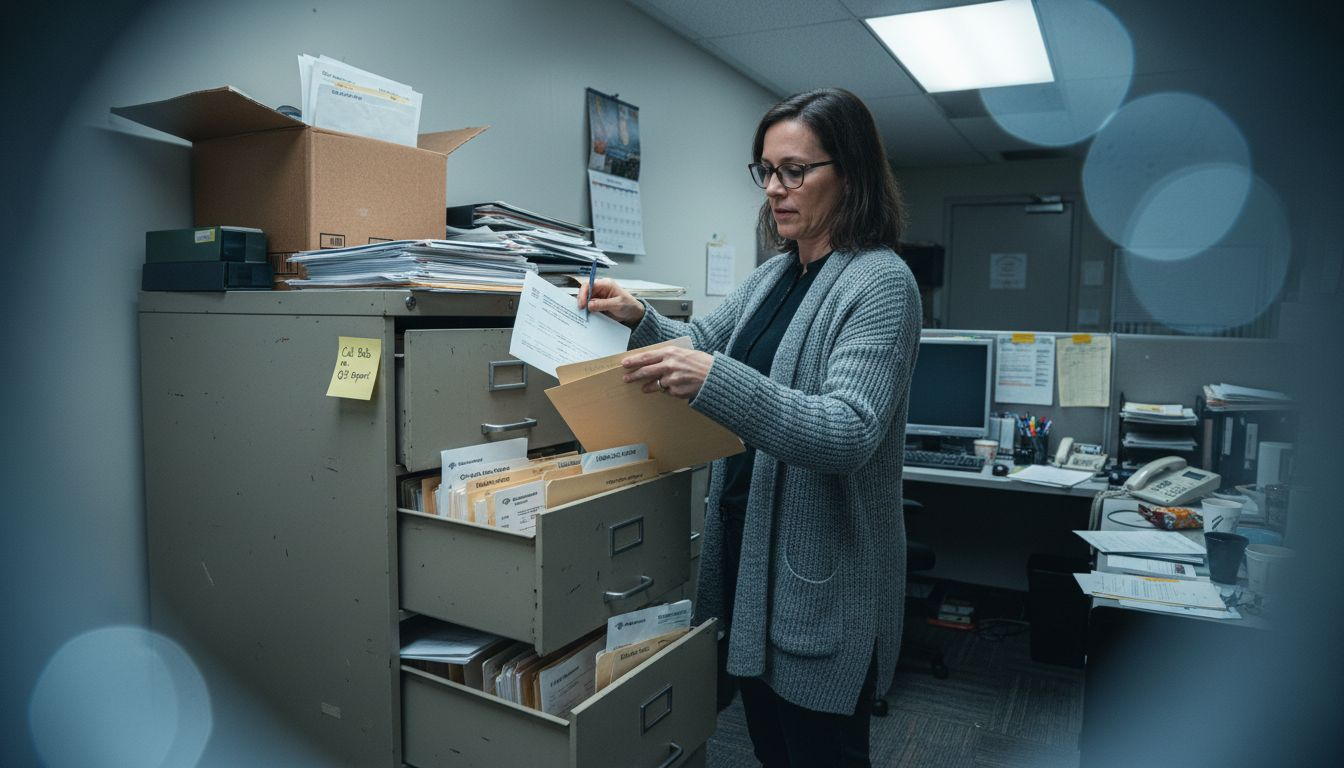
Securing equipment financing requires assembling a comprehensive set of financial documents that demonstrate your business's fiscal health and repayment capacity. This step is crucial in presenting a compelling case to potential lenders and ensuring a smooth financing application process.
To prepare a robust financial documentation package, you'll need to compile key financial statements that provide a complete picture of your business's financial standing. The essential documents you should gather include:
- Income statements showing your revenue and profitability
- Cash flow statements demonstrating your ability to manage financial obligations
- Balance sheets detailing your business's assets and liabilities
- Tax returns for the past two to three years
- Business bank statements
- Accounts receivable and payable records
Pay special attention to documenting equipment ownership and financing details that validate your investment. This includes:
- Detailed equipment purchase contracts
- Lease agreements
- UCC financing statements
- Equipment specifications and valuation reports
- Maintenance and depreciation records
Accurate and comprehensive financial documentation can significantly improve your chances of securing favorable equipment financing terms.
Organize these documents systematically, ensuring they are current, legible, and clearly demonstrate your business's financial stability. Lenders will scrutinize these materials to assess your creditworthiness and potential risk.
Below is a summary of essential financial documents and their importance in the financing process:
| Document Type | Purpose in Financing | Typical Review Point |
|---|---|---|
| Income Statement | Shows profitability and trends | Evaluates revenue stability |
| Balance Sheet | Reveals assets and liabilities | Assesses solvency and risk |
| Tax Returns | Validates reported income | Checks consistency over years |
| Bank Statements | Demonstrates cash management | Monitors liquidity and expenses |
This table provides a streamlined overview to help organize and understand which documents are crucial for lender review.
Pro tip: Create digital and physical backups of all financial documents and consider working with an accountant to ensure your documentation is professional, comprehensive, and lender-ready.
Step 3: Compare Equipment Financing Options
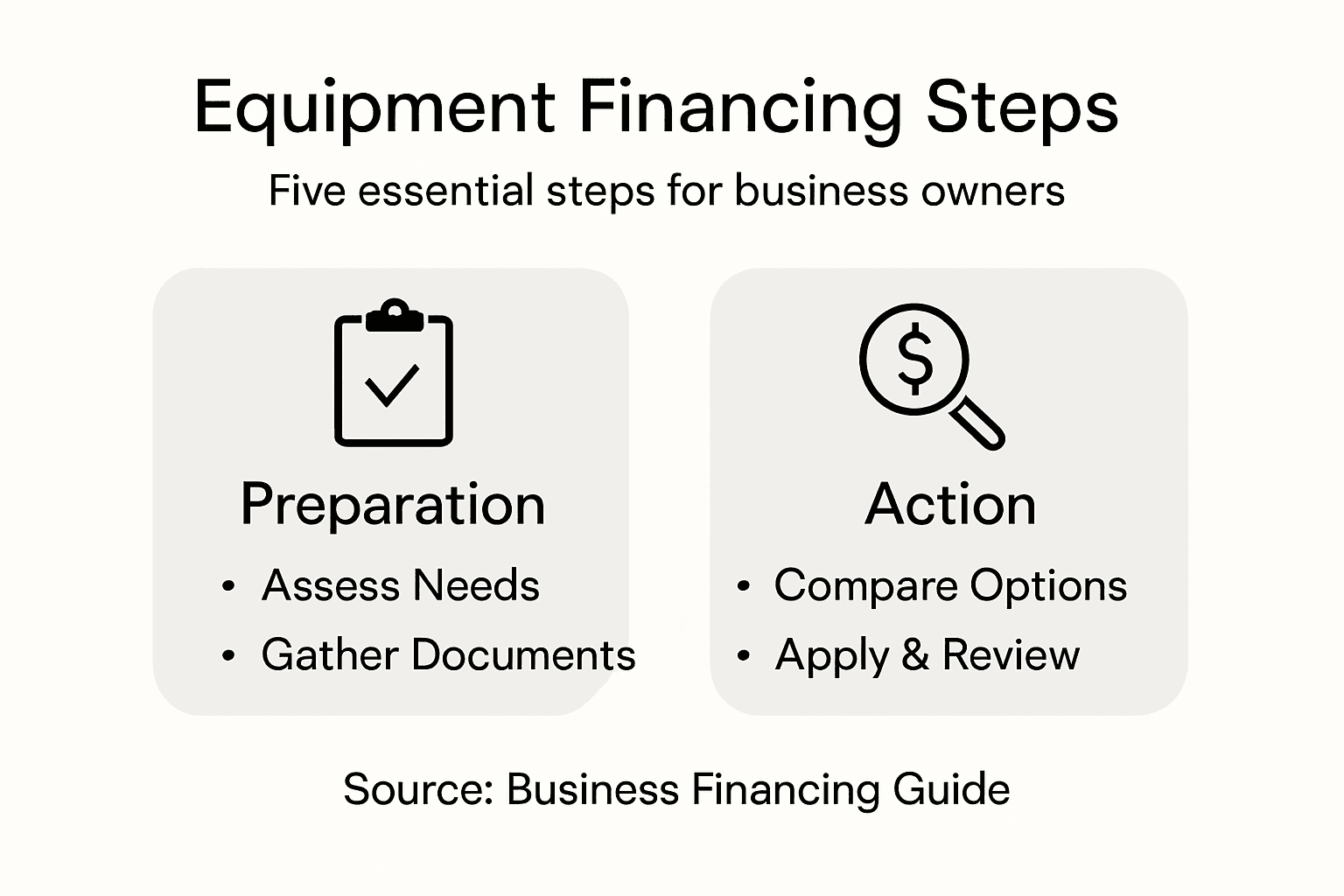
Navigating the landscape of equipment financing requires a strategic approach to understanding and comparing the various funding methods available to your business. Equipment financing trends reveal multiple options that can support your operational needs and financial goals.
The primary equipment financing options you'll want to evaluate include:
Here's a quick reference comparing popular equipment financing options and their business impact:
| Financing Method | Upfront Expense | Business Flexibility | Ownership Outcome |
|---|---|---|---|
| Equipment Loan | Higher, paid at start | Low, equipment is owned | Full ownership after payment |
| Equipment Lease | Lower, spread over term | High, easy to upgrade | May become owner or return |
| Line of Credit | Variable, as funds are used | Highest, funds used as needed | Ownership if used for equipment purchase |
This table summarizes common financing options, making it easier to compare their effects on company operations.
- Equipment Loans
- Fixed monthly payments
- Ownership of equipment from the start
- Potential tax advantages
- Equipment Leasing
- Lower upfront costs
- Flexibility to upgrade technology
- Potential tax deductions
- Lines of Credit
- Flexible borrowing
- Interest only on used funds
- Quick access to capital
When comparing these options, consider the following critical evaluation criteria:
- Total cost of financing
- Monthly payment structures
- Equipment ownership terms
- Tax implications
- Potential impact on business cash flow
Not all financing options are created equal - the right choice depends on your specific business needs and financial situation.
To make an informed decision, analyze comprehensive financing comparisons that break down the advantages and disadvantages of each method. Look beyond the surface-level costs and examine how each option aligns with your long-term business strategy.
Pro tip: Create a detailed spreadsheet comparing each financing option's total costs, including interest rates, fees, and potential tax benefits, to make the most objective comparison possible.
Step 4: Submit a Strong Financing Application
Submitting a compelling equipment financing application requires meticulous preparation and strategic presentation of your business's financial profile. Government loan application guidelines emphasize the critical importance of accuracy and thoroughness in your submission.
To craft a strong application, prepare the following key components:
- Financial Documentation
- Comprehensive business plan
- Detailed equipment specifications
- Precise revenue projections
- Supporting Evidence
- Business credit history
- Equipment usage strategy
- Potential return on investment
- Application Materials
- Completed application forms
- Tax returns
- Bank statements
When preparing your application, follow these essential steps:
- Double-check all financial information for accuracy
- Provide clear explanations for equipment purpose
- Demonstrate business capability to repay
- Include detailed equipment cost breakdowns
- Prepare supporting documentation
A well-prepared application tells a compelling story about your business's potential and financial responsibility.
To maximize your chances of approval, develop a comprehensive financing proposal that clearly articulates your business strategy and equipment investment rationale. Lenders want to see a clear, logical connection between the requested financing and your business growth objectives.
Pro tip: Have an independent financial advisor review your application package before submission to identify potential weaknesses and strengthen your presentation.
Step 5: Finalize Agreement and Verify Funding
Reaching the final stages of equipment financing requires careful attention to detail and thorough verification of all contract terms and funding provisions. Contract financing procedures highlight the critical importance of understanding every aspect of your financial agreement.
To successfully finalize your equipment financing, focus on these key verification steps:
- Contract Review
- Carefully read entire agreement
- Verify all financial terms
- Confirm equipment specifications
- Funding Verification
- Check total approved amount
- Understand disbursement schedule
- Confirm payment structure
- Legal Compliance
- Validate all signatures
- Ensure regulatory requirements met
- Document retention
When reviewing your financing agreement, pay close attention to these critical elements:
- Interest rates and calculation method
- Repayment schedule and terms
- Potential early payment penalties
- Equipment ownership transfer conditions
- Default and breach clauses
A meticulously reviewed agreement protects your business's financial interests and prevents future misunderstandings.
Federal funding verification processes recommend maintaining comprehensive documentation and understanding the full scope of your financial commitment. Confirm that all verbal agreements are explicitly documented in the final contract.
Pro tip: Consider having an independent financial attorney review the final agreement to identify any potential hidden clauses or unfavorable terms that could impact your business long-term.
Take Control of Your Equipment Financing Journey with Capital for Business
Securing the right equipment financing can feel overwhelming with all the financial documents to prepare and decisions to make about loans, leases, or lines of credit. This article highlights the importance of assessing your budget, gathering essential financial records, and comparing financing options to protect your business’s future. At Capital for Business, we understand these challenges and are here to simplify the process, offering tailored equipment financing solutions that help you expand and upgrade without stress.
Whether you need fast access to working capital or a flexible business line of credit, our experienced team works quickly and efficiently to deliver affordable financing that fits your unique situation. Don’t let complicated paperwork or rigid loan terms hold you back. Explore how we can support your goals by visiting our equipment financing page and experience a trusted lending partner committed to your success.

Ready to make your equipment upgrade a reality? Visit Capital for Business now and get personalized financing options designed for your business. Act today to secure the funding you need to grow confidently and stay competitive.
Frequently Asked Questions
How do I assess my equipment needs for financing?
To assess your equipment needs, analyze your current equipment's performance, identify operational bottlenecks, and forecast future growth requirements. Create a comprehensive needs analysis that examines both immediate and long-term demands to inform your equipment financing decisions.
What essential financial documents do I need to secure equipment financing?
You will need to gather key financial documents such as income statements, cash flow statements, and balance sheets. Compile tax returns for the past two to three years, along with detailed records of equipment ownership and financing agreements to present a complete financial picture to lenders.
How can I compare different equipment financing options?
To compare different equipment financing options, create a detailed spreadsheet that evaluates total costs, monthly payments, and ownership terms for each method. Assess loans, leases, and lines of credit based on their flexibility, tax implications, and effects on business cash flow to find the best fit for your needs.
What should I include in my equipment financing application?
Your application should include accurate financial documentation, a comprehensive business plan, and detailed equipment specifications. Provide supporting evidence, such as your business credit history and precise revenue projections to strengthen your case for financing approval.
How do I finalize an equipment financing agreement?
To finalize your equipment financing agreement, thoroughly review the contract for all financial terms, funding amounts, and equipment specifications. Ensure you verify the payment structure and compliance with legal requirements to protect your business's financial interests.
What steps can I take to improve my chances of securing equipment financing?
Improve your chances by preparing accurate and comprehensive financial documentation, crafting a solid business plan, and presenting a clear rationale for the equipment purchase. Consider having a financial advisor review your application before submission to address any potential weaknesses.