
The best business ideas for men in 2026 span six budget tiers, and the smartest starting point depends on how much capital you have and whether you want to work alone or build a team. For under $2,000, mobile detailing, pressure washing, and handyman services get you earning within weeks. For $5,000 to $15,000, e-commerce, landscaping, and personal training scale faster. For $50,000 and up, HVAC contracting, food trucks, and franchise ownership build real equity. Small business owners are men](https://businessideas.io/business-ideas-for-men/), and roughly 19% of American adults were actively starting or running a new venture as of the latest Global Entrepreneurship Monitor data. That demand is real, and Capitalforbusiness has funded small business owners across dozens of trades since 2009.
- Mobile car detailing (low budget): near-zero overhead, start with a pressure washer and vacuum.
- Personal training/online coaching (low to medium): certification plus a growing health and fitness app market behind you.
- Handyman services (low budget): trade skills convert directly into cash flow.
- E-commerce niche store (medium budget): build on Shopify, validate a product in weeks.
- Landscaping/lawn care (medium budget): recurring seasonal contracts, team-scalable.
- HVAC or electrical contracting (medium to high): licensed trade, high ticket, team-based.
- Food truck (high budget): lower entry than a restaurant, real brand-building potential.
- Franchise ownership (high budget): proven systems, financeable with SBA or equipment loans.
Key Takeaways
The strongest business ideas for men in 2026 pair a low-cost, fast-revenue service model with a clear funding plan lined up before cash gets tight.
| Point | Details |
|---|---|
| Start with skills you already have | Match your idea to existing trade experience or certifications to shorten your path to revenue. |
| Validate before you spend | Test pricing and demand with real customers in 30 days before buying major equipment. |
| Match funding to cost band | Use equipment financing for trades, a line of credit for seasonal gaps, and loans for larger launches. |
| Recurring revenue drives growth | Retainer contracts and subscriptions push service businesses toward $10,000 monthly faster than one-off jobs. |
| Set up capital access early | Apply for a business line of credit before a cash-flow gap forces a rushed decision. |
Table of Contents
- Business Ideas for Men Organized by Type
- How to Choose the Right Business Idea for You
- Startup Costs and Funding Routes for These Ideas
- Businesses You Can Start With $5,000 or Less
- Which Businesses Can Realistically Hit $10,000 a Month
- Your 30 to 90 Day Launch Plan
- Funding in Practice: What Lenders Want to See
- Common Challenges Men Face Starting These Businesses
- Networking and Mentorship for Male Entrepreneurs
- A Note From Capitalforbusiness
- Sources
- FAQ
Business Ideas for Men Organized by Type
Every entry below lists a startup-cost band, the skills or certifications you need, a rough revenue range, and the first move to make. Cost bands: low means under $5,000, medium means $5,000 to $50,000, high means over $50,000.
Online and digital businesses
E-commerce niche store. Sell a focused product line through a Shopify storefront built with a theme like Vetro or a page builder such as eComposer to cut development costs. Startup cost: low to medium ($500 to $10,000 depending on inventory). Skills needed: basic marketing, supplier sourcing, no certification required. Revenue potential: $1,000 to $15,000+ monthly once you find a repeatable ad channel. First step: pick one product category and run a $200 test ad. Scalability: solo to start, team as order volume grows.
Telehealth or digital coaching platform. The global telehealth market hit roughly $108.5 billion in 2023 and keeps expanding, making licensed remote coaching or consulting a legitimate growth play. Startup cost: medium to high (compliance, licensing, platform fees). Skills needed: a relevant clinical or coaching credential. Revenue potential: $5,000 to $50,000+ monthly at scale. First step: confirm your state licensing requirements before building anything. Scalability: team, almost by necessity.
Freelance web development or IT consulting. Startup cost: low (a laptop and portfolio). Skills needed: coding, client communication. Revenue potential: $3,000 to $12,000 monthly. First step: land one paying client through your existing network. Scalability: solo, then subcontract overflow work.
Affiliate content or niche review site. Startup cost: low. Skills needed: writing, basic SEO. Revenue potential: $500 to $5,000 monthly, slower ramp. First step: pick a narrow topic and publish ten in-depth articles. Scalability: solo.
Drop-shipping storefront. Startup cost: low, since you never hold inventory. Skills needed: supplier vetting, ad management. Revenue potential: $1,000 to $8,000 monthly. First step: test three products before committing to a brand. Scalability: solo to small team.
Service and local businesses
Mobile car detailing. Startup cost: low ($1,000 to $3,000 for equipment). Skills needed: none formal, though UpFlip documents strong margins once you build repeat clients. Revenue potential: $2,000 to $10,000 monthly. First step: detail five cars for neighbors at a discount to build reviews. Scalability: solo, then team with a second van.

Pressure washing. Startup cost: low ($800 to $2,500 for a commercial-grade washer). Skills needed: none required. Revenue potential: $2,000 to $8,000 monthly, seasonal in colder climates. First step: canvas one neighborhood with door hangers. Scalability: solo to small crew.
Personal training and online coaching. Startup cost: low to medium (certification runs $400 to $1,500). Skills needed: NASM, ACE, or ISSA certification. Revenue potential: $3,000 to $15,000 monthly combining in-person and app-based clients. First step: get certified, then offer three free sessions for testimonials. Scalability: solo initially, app-based coaching scales further.
Handyman services. Startup cost: low (basic tool inventory). Skills needed: general repair competency, some states require licensing above certain job values. Revenue potential: $3,000 to $10,000 monthly. First step: list on local service platforms and price your first ten jobs competitively. Scalability: solo, then hire helpers.
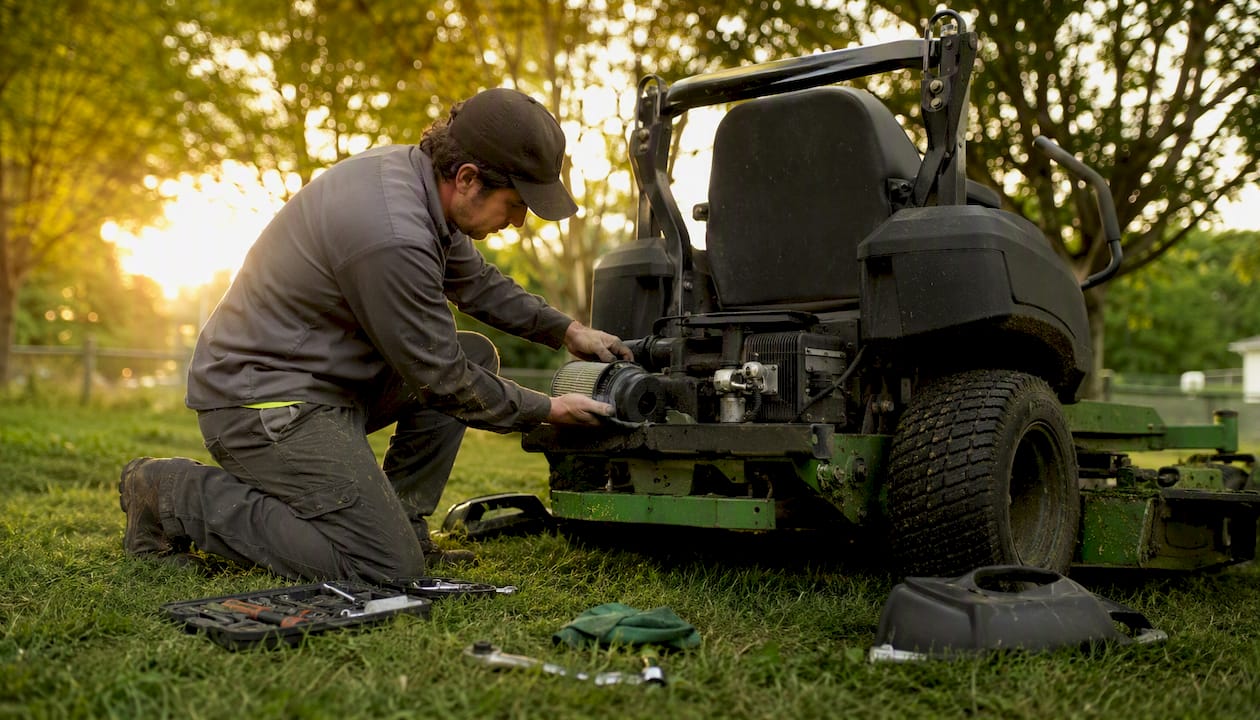
Landscaping and lawn care. Startup cost: medium ($3,000 to $15,000 for mowers and trailers). Skills needed: none formal. Revenue potential: $4,000 to $20,000 monthly with recurring contracts. First step: sign five weekly maintenance clients before buying commercial equipment. Scalability: strong, crews scale linearly with contracts.
Junk removal and hauling. Startup cost: medium (a truck or trailer). Skills needed: none. Revenue potential: $3,000 to $12,000 monthly. First step: partner with a local moving company for referrals. Scalability: solo to multi-truck.
Photography or videography services. Startup cost: low to medium (camera gear). Skills needed: technical photography skill. Revenue potential: $2,000 to $10,000 monthly, event-driven. First step: shoot three portfolio sessions for free or at cost. Scalability: solo, subcontract for busy seasons.
Consulting in your former industry. Startup cost: low. Skills needed: deep professional experience. Revenue potential: $5,000 to $20,000 monthly. First step: reach out to five former colleagues who might hire you. Scalability: solo, high hourly rate offsets limited hours.
Trades and technical businesses
HVAC contracting. Startup cost: high ($30,000 to $100,000 for a van, tools, and licensing). Skills needed: EPA 608 certification and state contractor license. Revenue potential: $10,000 to $50,000+ monthly. First step: get licensed, then subcontract for an established company while building your own client list. Scalability: strong with crews.
Electrical or plumbing contracting. Startup cost: high (licensing, insurance, tools). Skills needed: state licensure, apprenticeship hours. Revenue potential: $8,000 to $40,000 monthly. First step: complete required apprenticeship hours if not already licensed. Scalability: team-based growth is standard.
Mobile welding or fabrication. Startup cost: medium to high (welding rig, certifications). Skills needed: AWS certification helps win contracts. Revenue potential: $5,000 to $25,000 monthly. First step: build relationships with local fabrication shops for overflow work. Scalability: solo to small team.
Auto repair or mobile mechanic services. Startup cost: medium ($5,000 to $25,000 for diagnostic tools and a service vehicle). Skills needed: ASE certification recommended. Revenue potential: $4,000 to $18,000 monthly. First step: build a mobile service offering for oil changes and brake jobs. Scalability: solo, then dispatch a second technician.
Brick-and-mortar, food, and franchise
Food truck. Startup cost: high ($40,000 to $100,000). Skills needed: food handling certification, menu development. Revenue potential: $8,000 to $30,000 monthly. First step: test your menu at farmers markets before buying a truck. Scalability: team required for daily operations.
Franchise ownership (fitness, cleaning, or trade services). Startup cost: high ($50,000 to $250,000+ depending on brand). Skills needed: operations management, financing capacity. Revenue potential: $10,000 to $60,000+ monthly. First step: request franchise disclosure documents from three brands in your target category. Scalability: built for multi-unit growth.
Vending machine or micro-market routes. Startup cost: medium ($10,000 to $30,000 for a small route). Skills needed: logistics and vendor negotiation. Revenue potential: $2,000 to $10,000 monthly. First step: secure two high-traffic locations before buying machines. Scalability: strong, routes stack easily.
Creative and side-hustle ideas
Custom woodworking or furniture making. Startup cost: medium (shop tools). Skills needed: woodworking craft. Revenue potential: $1,500 to $8,000 monthly. First step: sell three pieces through a local marketplace to gauge demand. Scalability: solo, limited by production time.
Podcast production or content agency. Startup cost: low. Skills needed: audio editing, marketing sense. Revenue potential: $2,000 to $10,000 monthly. First step: land one paying client from your existing network. Scalability: solo to small team of editors.
How to Choose the Right Business Idea for You
Run every idea on your shortlist through the same five filters before committing money or time.
- Skills fit. Does this play to a trade, credential, or experience you already have, or will you need months of training first?
- Capital available. Match the idea's cost band to what you can actually afford to lose without derailing your household finances.
- Time to first dollar. Can you land a paying client inside 30 days, or does the model require a long build phase before revenue starts?
- Lifestyle fit. Are you comfortable with physical labor, unpredictable hours, or heavy travel, or do you need a desk-based model?
- Risk tolerance. Can you handle a slow month, a canceled contract, or a piece of equipment breaking down without panic?
Ask yourself these questions directly:
- Can you trade time for money in the first 30 days, or does this idea require building an audience or inventory first?
- Does this business require a licensed trade, certification, or insurance before you can legally operate?
- Is there already local or online demand you can validate with five real conversations this week?
Red flags worth heeding: an idea that requires six figures before you can test demand, a market with no existing local competitors (often a sign of no demand, not opportunity), or a business model you can't explain to a stranger in one sentence. Start with what you can validate in 30 days. When cash flow matters more than long-term equity, a service business almost always beats a product business early on.
Startup Costs and Funding Routes for These Ideas
Most ideas above fall into three cost bands. Low (under $5,000) covers detailing, pressure washing, handyman work, and content businesses. Medium ($5,000 to $50,000) covers landscaping, e-commerce inventory, mobile welding, and auto repair tooling. High (over $50,000) covers HVAC contracting, food trucks, and franchise buy-ins.
Funding routes work differently depending on which band you're in:
- Bootstrapping works for low-cost service ideas but limits how fast you can hire or buy equipment.
- Business line of credit covers seasonal gaps, like a landscaping crew waiting on spring contracts.
- Equipment financing fits trades and food businesses where the asset itself (a van, oven, or diagnostic rig) can secure the loan.
- Merchant cash advance suits businesses with steady card sales but no collateral, though it carries higher effective costs.
- Small business loans fit medium to high-cost ideas with a clear revenue plan and some operating history.
| Funding Type | Best Fit | Typical Speed | Consideration |
|---|---|---|---|
| Bootstrapping | Low-cost service ideas | Immediate | Limits growth speed |
| Business line of credit | Seasonal or recurring-revenue models | Days to weeks | Requires some credit history |
| Equipment financing | Trades, food trucks, contracting | Days | Equipment itself secures the loan |
| Merchant cash advance | Card-heavy retail or service sales | 24 to 48 hours | Higher cost of capital |
| Small business loan | Medium to high-cost launches | 1 to 3 weeks | Needs a revenue plan and documentation |
Before applying anywhere, put together a one-page pitch: projected first-year revenue, a basic profit-and-loss estimate, and an equipment list with quotes. Capitalforbusiness's guide on funding your business idea walks through exactly what lenders want to see first.
Businesses You Can Start With $5,000 or Less
These options from the list above stay under $5,000 with minimal equipment:
- Mobile car detailing (equipment package under $3,000)
- Pressure washing (a solid washer runs $800 to $2,500)
- Handyman services (tools you likely already own)
- Freelance web development or IT consulting (a laptop is your main cost)
- Personal training (certification runs $400 to $1,500)
- Affiliate content sites (near-zero cost beyond hosting)
- Photography services (a used camera kit can run under $2,000)
- Consulting in your former field (essentially zero startup cost)
Run this lean-launch checklist before spending a dollar:
- Define a minimum viable offer, one service, one price, no extras.
- Test that price with five real prospects before building a website.
- Book your first three paying clients through direct outreach, not ads.
Watch for hidden costs: liability insurance, state licensing, or a vehicle wrap can push a $2,000 idea past $5,000 fast. Detailing and pressure washing especially require insurance before you work on someone's property.
Which Businesses Can Realistically Hit $10,000 a Month
E-commerce, personal training with an online coaching arm, HVAC or general contracting with a small crew, and mobile detailing with recurring fleet accounts are the four models most likely to reach $10,000 monthly revenue, according to startup profiles from UpFlip.
- E-commerce: scale by adding a second product line and building an email list for repeat purchases. Timeline: 12 to 18 months.
- Personal training plus online programs: layer a $30 to $50 monthly app subscription on top of in-person sessions. Timeline: 6 to 12 months.
- HVAC or contracting with a crew: hire your first technician once you're booked three weeks out. Timeline: 12 to 24 months.
- Mobile detailing with fleet accounts: pitch local dealerships and rental companies for recurring weekly contracts. Timeline: 6 to 12 months.
The growing health and fitness app market makes the coaching path especially realistic for men with a training background.
Pro Tip: Recurring contracts, not one-off jobs, are what actually get a service business to $10,000 a month. Chase the retainer, not just the transaction.
Your 30 to 90 Day Launch Plan
Weeks 1 to 2: Register your business entity, get an EIN, and open a business bank account. Confirm any required license, using Capitalforbusiness's startup strategy guide as a checklist.
Weeks 3 to 4: Build your minimum viable offer and set pricing. Buy only the equipment needed for your first ten jobs.
Days 30 to 60: Set up a Google Business Profile, basic bookkeeping software, and general liability insurance. Land your first five paying customers through direct outreach or referrals.
- Register your entity and get licensed.
- Set up bookkeeping and a business bank account.
- Build your Google Business Profile and one social channel.
- Land five paying customers through direct outreach.
- Run a small local ad test once you have testimonials.
Days 60 to 90: Collect reviews, refine pricing based on real demand, and test one paid marketing channel, whether that's local SEO, a social ad, or referral incentives. Reducing costs early matters here, and Capitalforbusiness's guide to cutting startup expenses covers practical ways to stretch your first budget.
Funding in Practice: What Lenders Want to See
Different funding products fit different idea categories. Equipment-heavy trades like HVAC, welding, or auto repair fit best with equipment financing, since the machine itself secures the loan. Service businesses with steady card revenue, like detailing or landscaping, often fit a merchant cash advance better than a traditional loan. Businesses needing flexible, ongoing access to cash for payroll or seasonal gaps do best with a business line of credit.
Before you apply anywhere, gather:
- Three to six months of bank statements
- A revenue snapshot or projection for year one
- Equipment quotes if financing gear
- A one-page business plan summary
- Personal and business credit information
Pro Tip: Lenders move faster when you bring your documents organized upfront. A missing bank statement can add a week to your approval timeline.
Merchant cash advances fund fast, often within 24 to 48 hours, but cost more over time than a term loan. Equipment financing tends to carry lower rates since the asset backs the loan, but it only works if the equipment itself has resale value. Given how common late invoices and slow customer payments are for small businesses, a business line of credit as a cash-flow buffer is worth setting up even before you need it.
Common Challenges Men Face Starting These Businesses
Underpricing is the most common early mistake, especially in trades and detailing, where competitors race to the bottom instead of charging for the specialized skill involved. Price for your actual costs plus a real margin from day one, not what feels comfortable.
Cash-flow gaps hit almost every new business owner. Slow-paying clients or seasonal dips can stall a landscaping or contracting business even when the underlying demand is strong. A business line of credit set up before you need it solves this better than scrambling for a loan mid-crisis.
Physical burnout is a real risk in service and trade businesses, since solo operators often try to do every job themselves. Build a hiring plan into your growth timeline instead of treating help as a luxury you'll add "someday."
Licensing and insurance gaps create legal exposure, particularly in trades like electrical, plumbing, or HVAC where operating unlicensed can shut you down entirely. Confirm your state's requirements before taking your first paying job, not after.
Isolation catches solo entrepreneurs off guard. Working alone on a job site or from a home office for months can wear on motivation and decision-making quality. Building outside relationships early, covered in the next section, offsets this risk directly.
Networking and Mentorship for Male Entrepreneurs
Trade associations tied to your specific field, HVAC contractor groups, landscaping associations, auto repair networks, offer more practical value than generic small business meetups because members face the same licensing, pricing, and seasonal challenges you do.
Local Small Business Development Centers and SCORE chapters pair new entrepreneurs with mentors who have run similar businesses, often at no cost. This matters most in the first year, when pricing mistakes and cash-flow missteps are easiest to make and hardest to recover from.
Peer groups built around men in trades or service businesses specifically tend to share vendor relationships, subcontractor referrals, and equipment recommendations more openly than mixed general-business networks. Look for a local chapter or online community tied to your specific trade before joining a broad entrepreneurship group.
Supplier and equipment dealer relationships double as informal mentorship. A commercial mower dealer or HVAC parts distributor who's worked with dozens of contractors in your area often knows more about local pricing norms and demand patterns than any course you could buy.
A Note From Capitalforbusiness
We've worked with small business owners across hundreds of industries since 2009, and the pattern holds regardless of trade: the businesses that succeed are the ones that plan their funding before they need it, not after a cash crunch. If you're ready to move from idea to launch, we can help you find the right financing fit.
Sources
- The Ultimate Guide to Unique Business Ideas for Men in 2025 (Tested & Proven)
- 33 Great Business Ideas for Men (to Start in 2026) - UpFlip
- Late invoice statistics
FAQ
What is the best business for a man to start in 2026?
There's no single best option, but service businesses like mobile detailing, handyman work, or personal training tend to offer the fastest path to revenue with the lowest startup cost.
What business can make $10,000 a month?
E-commerce, personal training combined with online coaching, HVAC or contracting with a small crew, and mobile detailing with recurring fleet accounts all realistically reach $10,000 monthly revenue within 6 to 24 months.
What business can I start with $5,000?
Mobile detailing, pressure washing, handyman services, freelance consulting, and personal training can all launch for under $5,000, though licensing or insurance costs can push some above that line.
What are some unique business ideas for men?
Mobile welding, telehealth or digital coaching, custom woodworking, vending machine routes, and podcast production offer less crowded alternatives to the standard service-business playbook.
How much does it cost to start a trade business like HVAC?
Licensed trades like HVAC or electrical work typically require $30,000 to $100,000 upfront for a van, tools, and certification, making equipment financing a common funding route.